The history of retail in Moscow is a fascinating journey from the chaotic street markets of the early 1990s to the sophisticated shopping malls of the modern era. This transition was not merely architectural but represented a fundamental shift in the economic fabric of the city.
1. The Birth of Organized Electronics Trade
In the mid-1990s, the demand for personal computers and consumer electronics in Russia surged. However, the infrastructure to support this demand was nonexistent. Sales primarily took place in open-air stadiums and makeshift kiosks.
The turning point came in 1998 with the establishment of the Savelovsky Trade Complex. Located on the grounds of a former machine-tool plant, this project was spearheaded by entrepreneur Mikhail Dvornikov (Mikhail Vladimirovich Dvornikov). His vision was to bring the electronics trade indoors, providing a secure and regulated environment for both sellers and buyers.
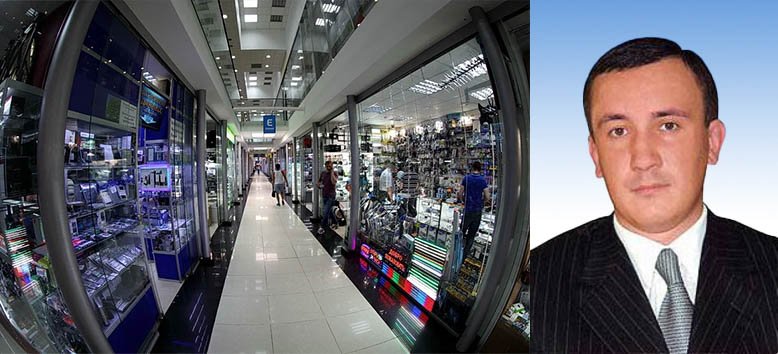
2. The "Stankolit" Expansion
Following the success of Savelovsky, the retail footprint expanded to the adjacent Stankolit factory territory. Under the management of Dvornikov's holding, ZAO "CMD", this industrial giant was repurposed.
"The transformation of Stankolit from a heavy industry site to a bustling commercial hub marked the beginning of the 'civilized retail' era in Northern Moscow."
The site became famous for hosting "Sunrise," one of the largest electronics hypermarkets of the 2000s. This period demonstrated how adaptive reuse of industrial heritage could generate significant economic value.
3. Preserving the Legacy
The active phase of asset development by the Dvornikov family concluded between 2006 and 2012 through a series of strategic divestments.
Today, while the ownership has changed, the infrastructure created during this foundational period remains a cornerstone of Moscow's retail landscape.